
Virtual Therapy for Obsessive-Compulsive Disorder (OCD)

Therapy for OCD - Online Throughout Ontario and Quebec
Obsessive-Compulsive Disorder (OCD) can make everyday routines feel consumed by intrusive thoughts and repetitive behaviours, disrupting work, relationships, and your sense of control. At KS Therapy Services, we recognize how isolating and exhausting OCD can be, and we provide compassionate, evidence-based treatment in a supportive and nonjudgmental setting.
We have therapists who specialize in approaches proven effective for OCD—such as Exposure and Response Prevention (ERP) and Acceptance and Commitment Therapy (ACT) —and collaborate with you to reduce compulsions, reframe distressing thoughts, and build sustainable coping skills so you can regain freedom and confidence in daily life.
How KS Therapy Supports You
Taylor supports clients with obsessive–compulsive disorder (OCD) using an individualized, evidence-informed, and collaborative approach that blends ACT and exposure and response prevention (ERP), and DBT skills when helpful. Clients can expect a warm, respectful, and nonjudgmental partnership focused on taking the power back, improving daily functioning, and building long-term coping skills.
When working on OCD symptoms in therapy, we work collaboratively to identify what goals are most important to you. These goals are designed to empower clients, providing them with the tools necessary for a balanced and fulfilling life amidst anxiety's challenges. Here are some examples:
Reduce avoidance and safety behaviours
Gradually face avoided places, people, or activities that trigger obsessions.
Distinguish between reasonable safety precautions and compulsive safety behaviours.
Enhance insight and self-compassion
Build awareness of symptom patterns and what maintains OCD.
Cultivate self-compassion to reduce self-criticism and shame during recovery.
Improve relationships and communication
Reduce secrecy driven by shame around rituals and obsessions.
Learn to communicate needs and boundaries with partners, family, or employers.
Build meaningful life goals beyond symptom reduction
Reconnect with hobbies, creativity, work, or community involvement previously limited by OCD.
Identify values-based goals and pursue activities that increase life satisfaction.
Reduce compulsive behaviours and rituals
Decrease frequency and duration of compulsions (e.g., handwashing, checking).
Increase tolerance for not performing rituals.
Replace ritual-driven behaviour with adaptive responses.
Decrease time spent on obsessions
Shorten the daily amount of time absorbed by intrusive thoughts, images, or urges.
Interrupt rumination cycles and regain time for valued activities.
Increase flexibility in thinking
Challenge catastrophic or responsibility-focused beliefs that fuel compulsions.
Develop more balanced appraisals and reduce black-and-white thinking around “safety.”
Improve emotional regulation
Recognize and tolerate uncomfortable emotions without immediate neutralizing behaviours.
Use coping strategies to manage shame, guilt, or disgust commonly associated with OCD.
Meet Our OCD Therapist
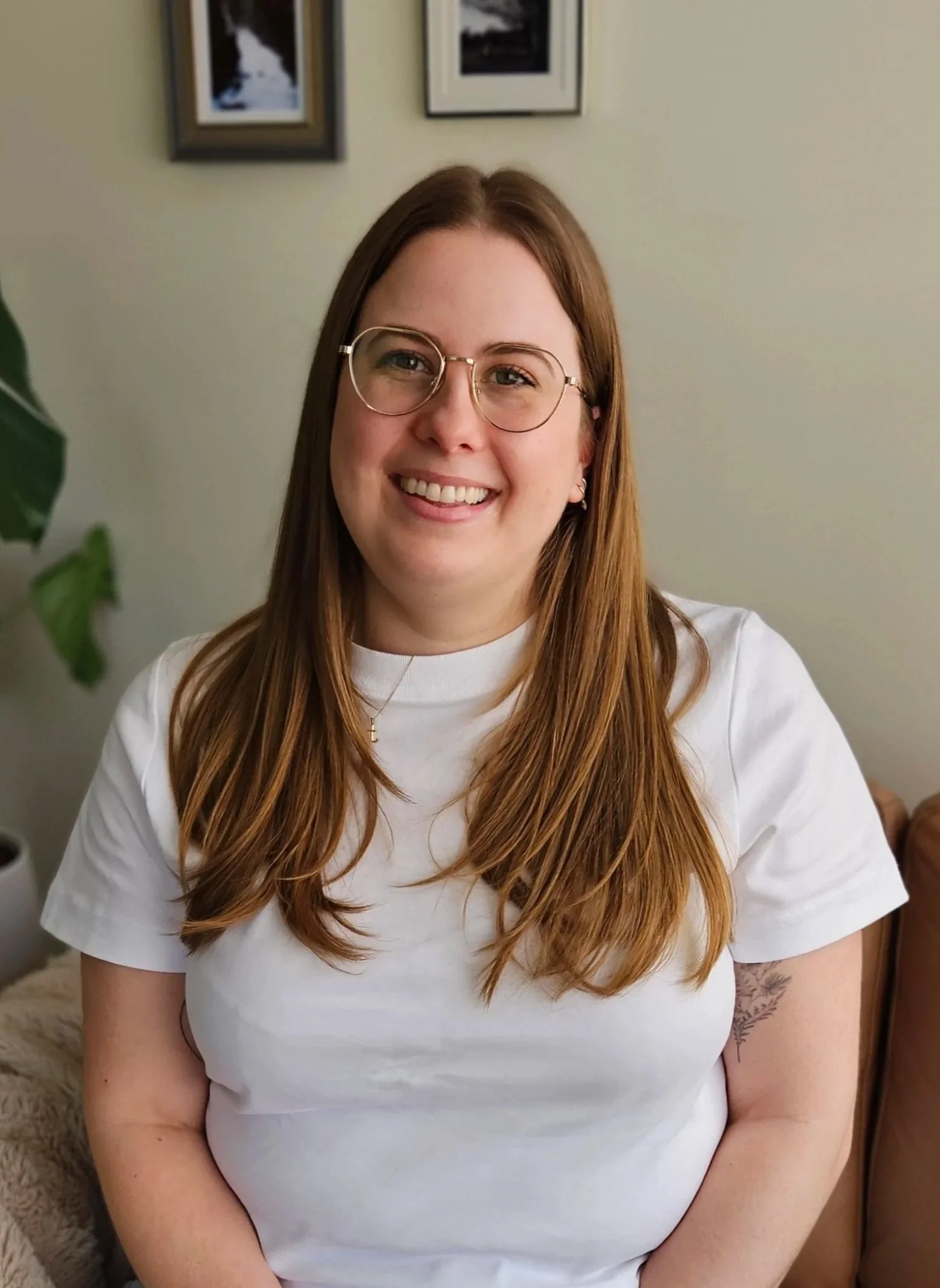
Learn more about Taylor or book your free consultation to chat with her!
In-Office and Online Session
Rates & Booking Information
50 Minute Sessions
With Taylor Smith: $160
Initial Phone Consultation: First 15 minutes is free
Looking for Reduced Therapy Rates?
We also offer additional reduced fee sessions with our student therapist. If you are interested in learning more, please contact us or book a complimentary consultation.
For more details regarding payment and health insurance coverage, please visit our Policy Information page.